

Uterine Fibroid Treatment in Spokane
Non-Surgical Uterine Fibroid Embolization (UFE) in Spokane
Uterine fibroids are noncancerous growths that develop in or around the uterus, often causing heavy bleeding, pelvic pain, bloating, or pressure. For many women, these symptoms can disrupt daily life, affect fertility, and lead to chronic discomfort.
At Peak IR, interventional radiologists offer uterine fibroid embolization (UFE)—a safe, effective, and minimally invasive alternative to surgery. This image-guided procedure targets fibroids directly, shrinking them over time while preserving the uterus and protecting fertility.
Understanding Uterine Fibroids
Uterine fibroids, also called leiomyomas, are benign tumors that form in the muscle tissue of the uterus. They vary in size and number, and while some cause no symptoms, others lead to significant discomfort and bleeding.
Common symptoms include:
- Heavy or prolonged menstrual bleeding
- Pelvic pain or pressure
- Frequent urination
- Bloating or abdominal fullness
- Pain during intercourse
- Back or leg pain
Fibroids can develop at any age during a woman’s reproductive years and are influenced by factors such as hormones, genetics, and family history.
Precise, Image-Guided Treatment
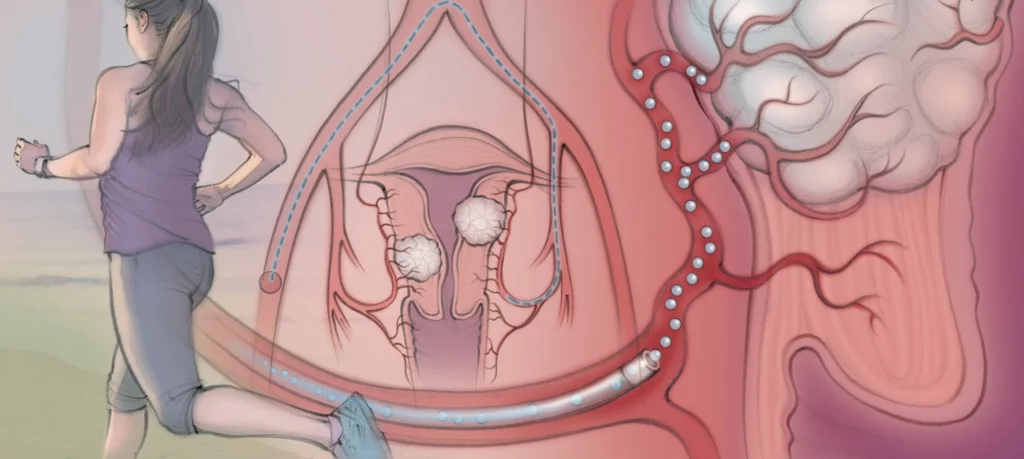
Using advanced imaging, our physicians navigate a tiny catheter through the wrist or groin to the uterine arteries. Tiny particles are then delivered to block blood flow to the fibroids, causing them to shrink over time.
Why Choose UFE
Preserve Your Uterus and Fertility
Unlike hysterectomy or myomectomy, UFE allows women to keep their uterus intact, potentially maintaining fertility. It’s an excellent choice for those who wish to avoid surgery while still achieving long-term symptom relief.
Minimally Invasive and Outpatient
UFE requires only a small puncture—no incisions, no stitches, and no hospital stay. Most patients are able to resume light activities within a few days.
How Uterine Fibroid Embolization Works
Step 1: Vascular Access
A small catheter is inserted through a tiny incision into an artery in the wrist or groin. Using real-time imaging, the interventional radiologist guides it to the uterine arteries that supply blood to the fibroids.
Step 2: Targeted Embolization
Microscopic particles are injected to block blood flow to the fibroids, depriving them of oxygen and nutrients. Over time, the fibroids shrink and symptoms improve.
Step 3: Recovery and Results
Because there are no large incisions or stitches, recovery is typically quick. Some cramping or fatigue may occur for a few days following treatment. Most patients return to normal activities within one week. Clinical studies show that approximately 90% of women experience significant improvement in heavy bleeding, pain, and pressure after UFE. Symptom relief often begins within a few weeks and continues to improve over several months.
Comparing Your Treatment Options
| Feature | Uterine Fibroid Embolization (UFE) | Hysterectomy | Myomectomy | Medication Therapy |
|---|---|---|---|---|
| Approach | Image-guided, minimally invasive | Surgical removal of uterus | Surgical removal of fibroids | Hormonal or symptom-based treatment |
| Hospital Stay | Same-day | Several days | 1–2 days | None |
| Recovery Time | About 1 week | 4–6 weeks | 2–4 weeks | Ongoing |
| Fertility | Preserves uterus | Ends fertility | May preserve fertility | Preserves fertility |
| Effectiveness | Shrinks fibroids, relieves symptoms | Definitive treatment | Effective but may recur | Temporary relief |
| Anesthesia | Light sedation | General anesthesia | General anesthesia | None |
What to Know About Uterine Fibroid Embolization
Who is a candidate for UFE?
UFE is ideal for women experiencing fibroid-related symptoms who want to avoid surgery or preserve their uterus. It’s also suitable for patients whose medications have not provided enough relief.
How long does the procedure take?
The UFE procedure typically takes about one hour, followed by a short recovery period before going home the same day.
When will I notice improvement?
Most women begin to notice improvement in symptoms within two to three weeks, with continued progress as fibroids shrink over time.
Are there risks or side effects?
UFE is very safe. Cramping, low-grade fever, or fatigue may occur during the first few days and are easily managed with medication. Serious complications are extremely rare.
Will my insurance cover UFE?
Uterine fibroid embolization is covered by Medicare and most major insurance providers when medically indicated. Our team will assist with authorizations and coverage verification.

Our Team
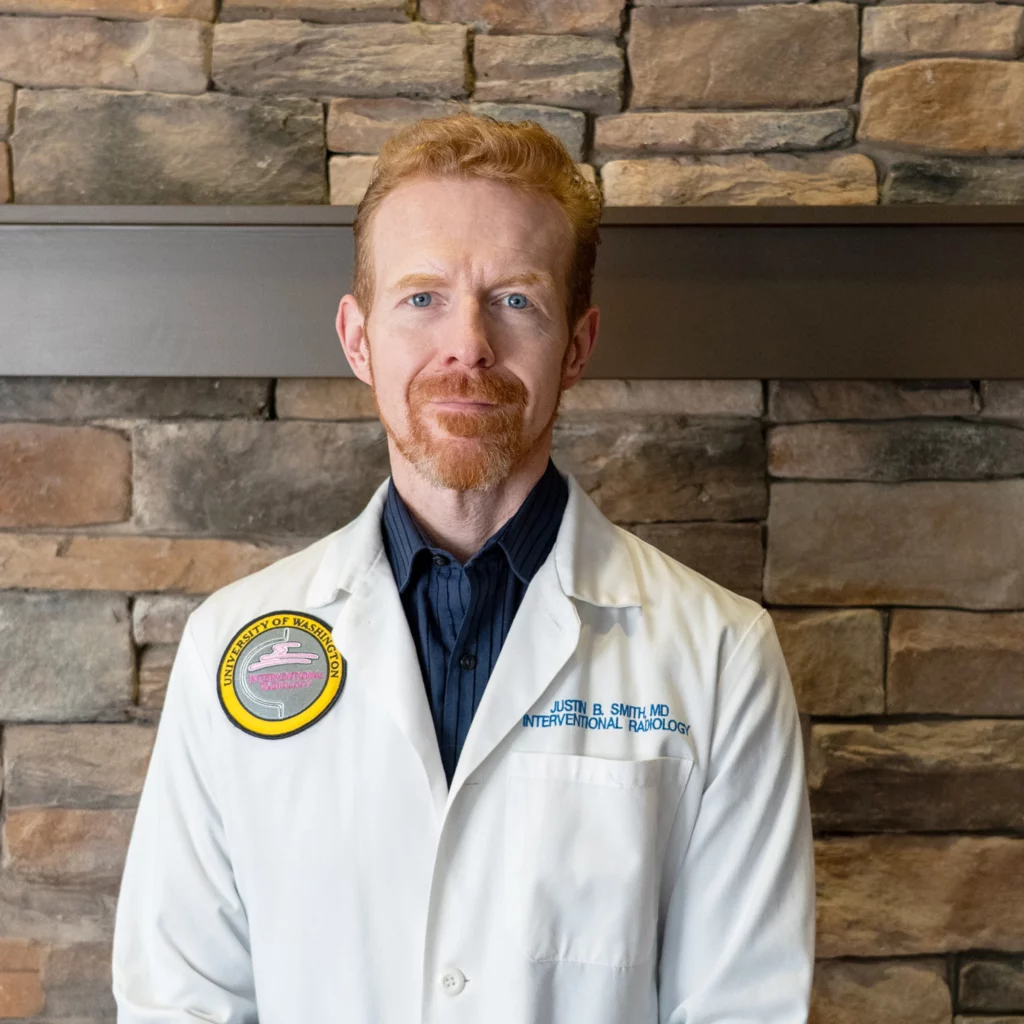
At the heart of Peak IR is a team of physicians who combine national expertise with a local commitment to care.



Take the First Step Toward Feeling Like Yourself Again
At Peak IR, we believe women deserve relief without compromise. Our experienced team provides advanced, minimally invasive fibroid treatment that restores comfort, confidence, and quality of life—without surgery.