

Interventional Oncology For Cancer Treatment In Spokane Valley, WA
Minimally Invasive Treatment for Primary and Metastatic Liver Tumors
Interventional oncology offers a targeted, minimally invasive approach to treating cancer using advanced imaging to guide therapy directly to the tumor. These procedures allow for precise treatment that spares healthy tissue, reduces side effects, and helps patients recover faster compared to traditional surgery or systemic chemotherapy.
At Peak IR, our interventional radiologists specialize in advanced liver-directed therapies such as Transarterial Chemoembolization (TACE) and Radioembolization (Y-90). These treatments are designed to slow, shrink, or eliminate tumors while maintaining quality of life.
Understanding Liver Cancer and Interventional Oncology
Interventional oncology is a subspecialty of interventional radiology focused on diagnosing and treating cancer through targeted, image-guided techniques. For liver cancer, these procedures deliver therapy directly to the tumor via the blood vessels that feed it.
Types of liver cancer treated at Peak IR include:
- Hepatocellular carcinoma (HCC)
The most common primary liver cancer, often associated with chronic liver disease or cirrhosis. - Cholangiocarcinoma
A rare cancer that forms in the bile ducts within or outside the liver. - Metastatic liver cancer
Cancer that has spread to the liver from other organs, including colon and neuroendocrine tumors.
These minimally invasive treatments can control tumor growth and relieve symptoms, while maintaining quality of life.
Targeted, Image-Guided Precision
Using advanced imaging technology, including CT, ultrasound, and fluoroscopy, our physicians deliver treatment directly to liver tumors through tiny catheters. This approach minimizes damage to surrounding healthy tissue while maximizing therapeutic effect.
Why Choose Interventional Oncology at Peak IR
Collaborative Cancer Care
We work closely with your oncology, hepatology, and surgical teams to ensure your interventional treatment complements chemotherapy, radiation, or immunotherapy. This team-based approach provides the best possible outcomes and coordinated long-term care.
Minimally Invasive, Outpatient Procedures
Treatments are performed through a small incision, typically in the wrist or groin, under light sedation or local anesthesia. Patients return home the same day, experiencing minimal discomfort and a quicker recovery compared to traditional surgery.
Expert Care, Close to Home
Located in Spokane Valley, WA, Peak IR offers advanced interventional oncology services in a modern outpatient setting.
Liver Cancer Treatment in Spokane, WA
Radioembolization (Y-90)
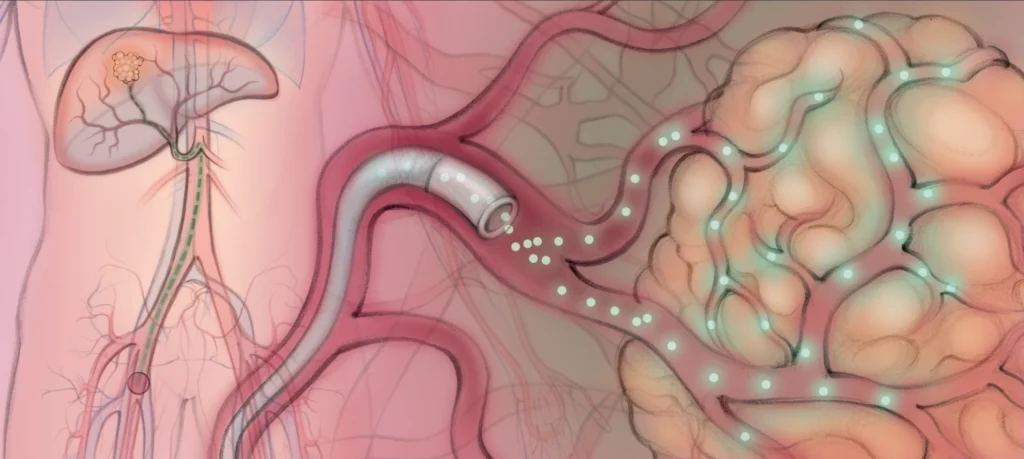
During Y-90 radioembolization, a tiny catheter is inserted through a small incision in the wrist or groin and guided into the arteries supplying the liver tumor. Millions of microscopic beads containing the radioactive isotope Yttrium-90 are infused directly into the tumor’s blood supply.
This internal radiation targets cancer cells while sparing healthy tissue. The treatment continues working over several weeks, and most patients experience minimal side effects.
Transarterial Chemoembolization (TACE)
TACE combines targeted chemotherapy with embolization to block the tumor’s blood flow. Tiny particles carrying chemotherapy are delivered into the arteries feeding the tumor, trapping the medication inside while cutting off its oxygen supply. This dual action starves and shrinks the tumor over time.
Follow-up imaging such as CT or MRI is performed every two to three months to monitor response.

Partners With Summit Cancer Centers
Peak Interventional Radiology is proud to partner with Summit Cancer Centers to provide patients with advanced, minimally invasive cancer treatment options. Our physicians work closely with Summit Cancer Centers’ oncology specialists to deliver personalized treatment plans focused on precision, comfort, and quality of life.
Your Guide to Y-90 and TACE for Liver Cancer
Who can benefit from interventional treatments for liver cancer?
Interventional oncology is an excellent option for patients with primary or metastatic liver cancer who may not be candidates for surgery or prefer a less invasive approach. These treatments are often used to slow tumor growth, relieve symptoms, and improve quality of life, either on their own or alongside chemotherapy or radiation therapy.
What types of liver cancer are treated at PEAK IR?
Our interventional radiologists treat both primary and metastatic liver cancers, including hepatocellular carcinoma (HCC), cholangiocarcinoma, and metastatic tumors that have spread from other organs, such as the colon and neuroendocrine.
What are Y-90 and TACE treatments?
Y-90 radioembolization uses tiny beads containing a safe, targeted dose of radiation to destroy cancer cells from within the tumor’s blood supply.
TACE, or transarterial chemoembolization, delivers chemotherapy directly to the tumor through the liver’s arteries and blocks its blood flow at the same time. Both treatments focus therapy directly on the tumor while minimizing side effects.
What can I expect after Y-90 or TACE treatment?
Patients return home the same day. Fatigue, nausea, or discomfort may occur for a few days, but these symptoms typically resolve quickly. Follow-up imaging is performed every two to three months to monitor your progress and assess treatment effectiveness.
Are Y-90 and TACE considered alternatives to surgery?
Yes. For many patients who cannot undergo surgery, Y-90 and TACE offer effective alternatives that can control or shrink tumors and, in some cases, make surgery possible in the future.
How effective are these treatments?
Studies show that Y-90 and TACE can help control tumor growth, relieve symptoms, and extend survival while maintaining a patient’s quality of life. Your care team will discuss expected outcomes based on your specific diagnosis and overall health.
Will my insurance cover treatment?
Both Y-90 and TACE procedures are covered by Medicare and most major insurance providers when medically indicated. Our team will assist with pre-authorizations and insurance verification before your procedure.
How soon will I know if the treatment worked?
Most patients have a follow-up CT or MRI about two to three months after treatment to measure tumor response. Your physician will review the results with you and discuss next steps if additional therapy is needed.

Our Team
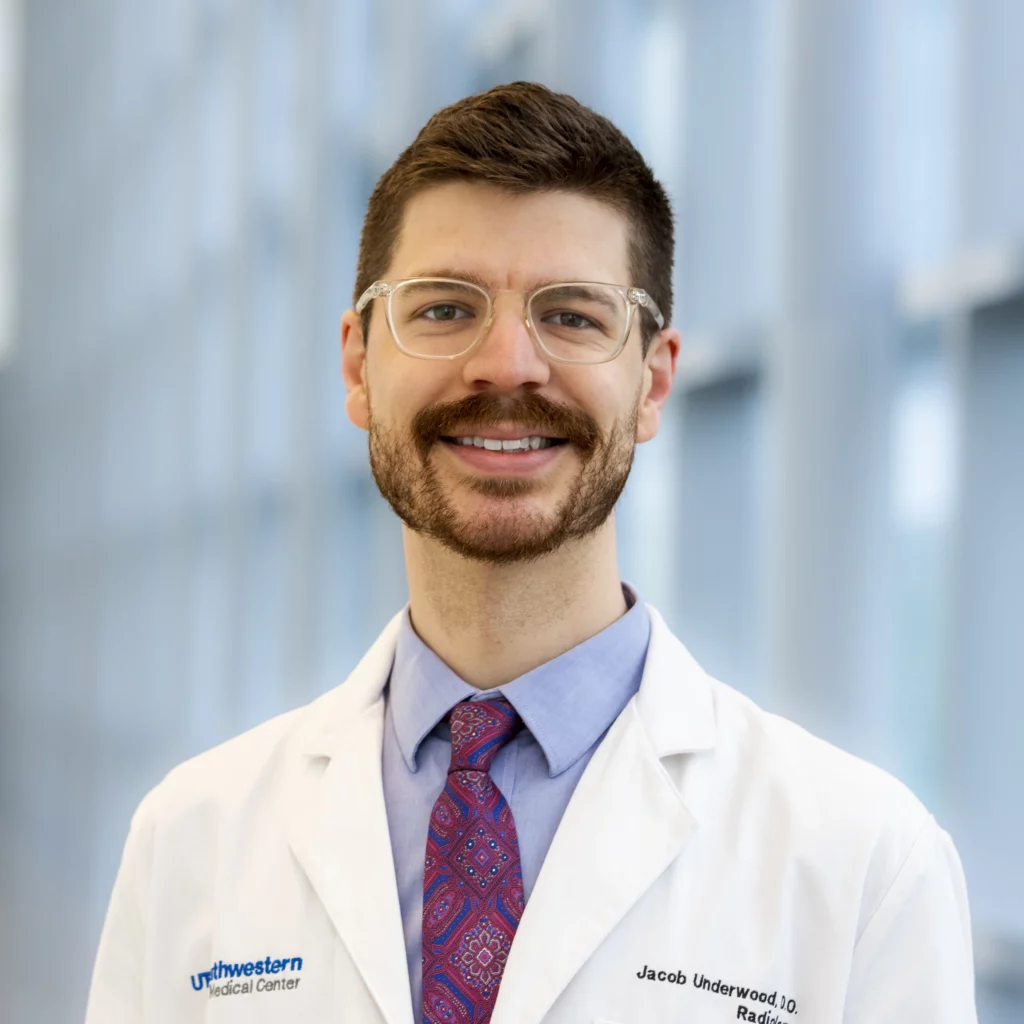
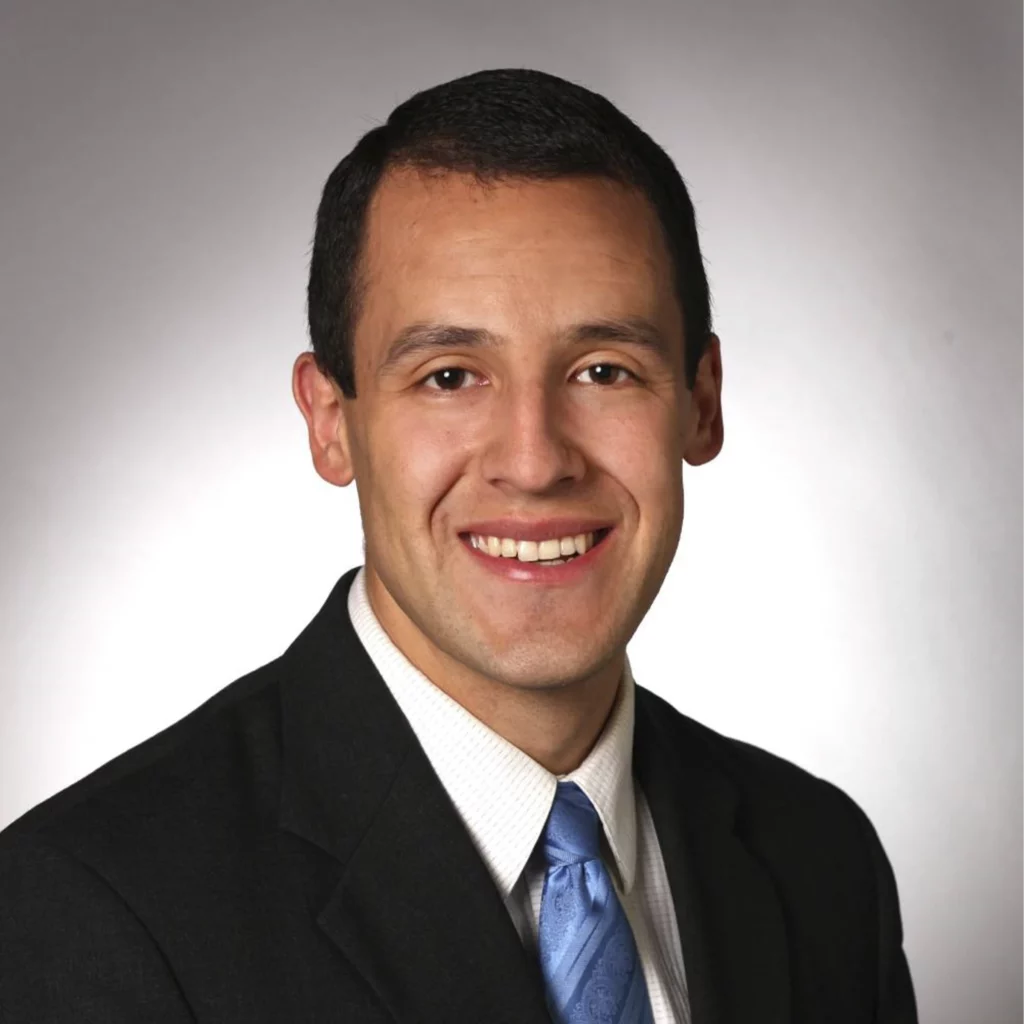
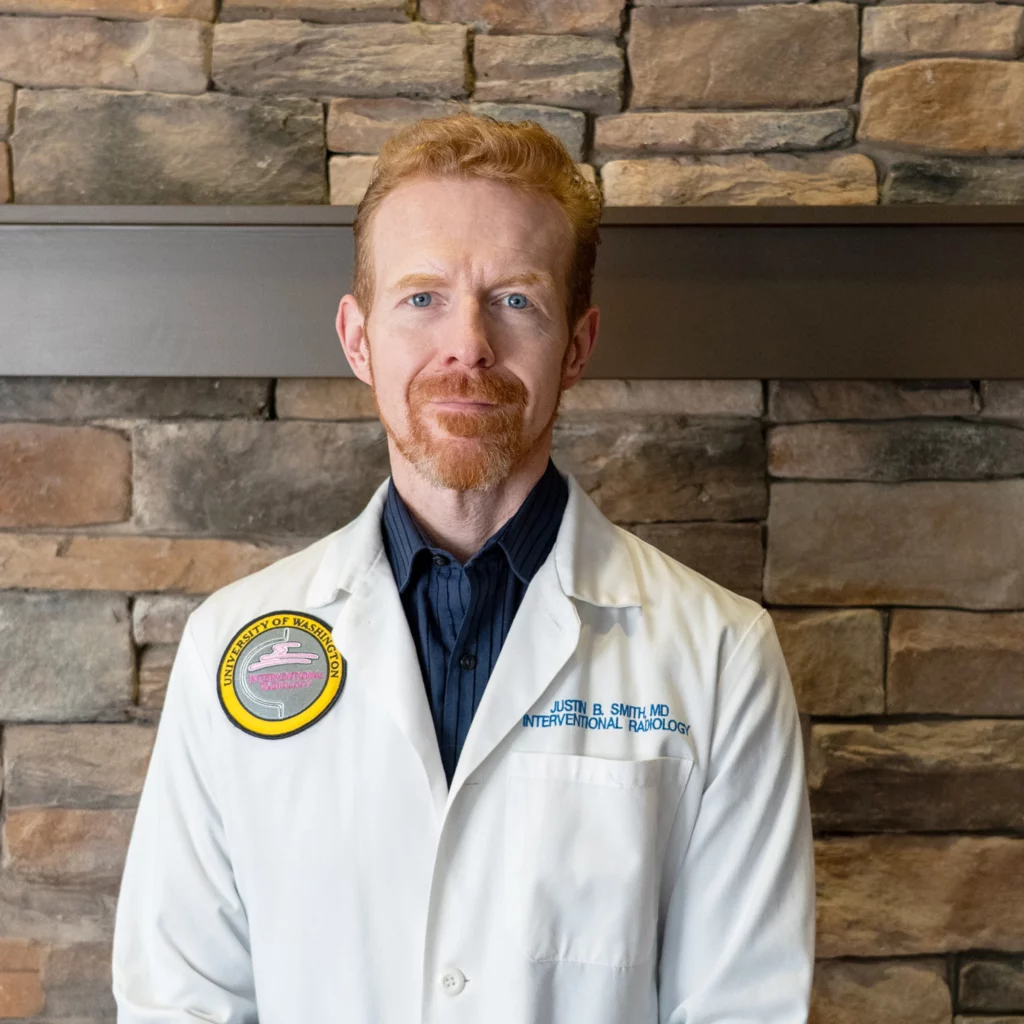
At the heart of Peak IR is a team of physicians who combine national expertise with a local commitment to care.

Take the First Step Toward Relief and Recovery
At Peak IR, we believe that cancer treatment should preserve both health and quality of life. Our advanced liver-directed therapies offer effective tumor control with faster recovery and compassionate care every step of the way.