

Venous Insufficiency and Varicose Vein Treatment in Spokane
Minimally Invasive Solutions for Venous Disease
Chronic venous insufficiency and varicose veins occur when the valves in the leg veins weaken or fail, allowing blood to pool and cause swelling, discomfort, and visible vein changes. If left untreated, these conditions can lead to leg pain and swelling, fatigue, and skin changes that affect both health and confidence.
At Peak IR, our interventional radiologists use advanced, image-guided techniques to diagnose and treat venous insufficiency at its source. Through minimally invasive procedures that close diseased veins and restore healthy circulation, we help patients find lasting relief from pain, swelling, and visible varicose veins.
Understanding Venous Insufficiency and Varicose Veins
Healthy veins carry blood from the legs back to the heart. When vein valves become weak or damaged, blood can flow backward and pool in the veins. Over time, this increased pressure causes veins to stretch, bulge, and become varicose.
Common symptoms include:
- Aching, heaviness, or throbbing in the legs
- Swelling, especially at the ankles or calves
- Skin discoloration or thickening
- Itching or irritation around visible veins
- Restless or tired legs at the end of the day
- Varicose or spider veins
If left untreated, chronic venous insufficiency can lead to leg ulcers or more serious circulatory problems.
Comprehensive Diagnosis and Imaging
Our team uses duplex ultrasound to precisely identify which veins are not functioning properly. This allows us to tailor treatment to your unique vein anatomy for optimal results.
Why Choose Vein Treatment
Effective Relief with Long-Term Results
By closing or rerouting blood flow from diseased veins, these treatments reduce symptoms, improve circulation, and prevent the condition from worsening, helping you feel better.
Minimally Invasive, In-Office Procedures
Venous treatments at Peak IR are performed through a tiny puncture under local anesthesia. There are no large incisions, no general anesthesia, and minimal downtime. Patients typically return to normal activity within a day.
Experienced, Specialized Care
Our interventional radiologists are experts in venous disease management. Each treatment plan is customized to address your specific symptoms, lifestyle, and health goals with precision and compassion.
Minimally Invasive Treatment Options
Endovenous Ablation
This procedure uses heat energy, delivered through a thin catheter, to seal off diseased veins. Once closed, blood naturally reroutes to healthy veins, improving circulation and relieving symptoms.
Ultrasound-Guided Sclerotherapy
For smaller varicose or spider veins, a medicated solution is injected directly into the affected veins, causing them to collapse and fade over time.
Phlebectomy and Embolization Techniques
In certain cases, micro-incisions or embolization may be used to remove or close off problematic veins. These approaches are safe, effective, and performed with precision under live imaging guidance.
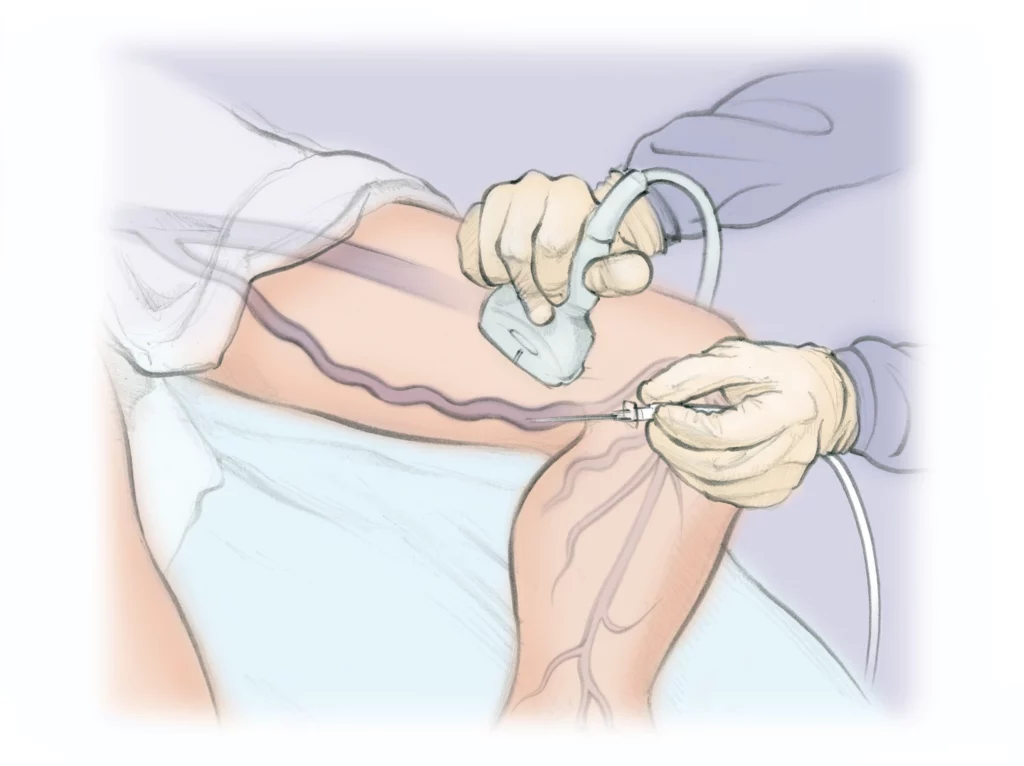
Comparing Your Treatment Options
| Feature | Endovenous Ablation | Sclerotherapy | Vein Stripping Surgery | Compression Therapy |
|---|---|---|---|---|
| Approach | Image-guided, heat-based closure of diseased veins | Injection of medicated solution to close smaller veins | Surgical removal of damaged veins | External compression to improve circulation |
| Hospital Stay | Outpatient | Outpatient | Hospital or surgical center | None |
| Recovery Time | 1–2 days | 1–2 days | 2–4 weeks | Ongoing |
| Effectiveness | Long-term symptom relief and restored circulation | Best for smaller veins | Effective but more invasive | Temporary symptom management |
| Anesthesia | Local | Local | General or spinal | None |
| Ideal Candidates | Chronic venous insufficiency, varicose veins | Spider or small varicose veins | Severe or recurrent varicose veins | Mild swelling or symptom control |
What to Know About Vein Treatment
Who is a candidate for treatment?
Anyone experiencing symptoms such as leg pain, swelling, or visible varicose veins may be a candidate for treatment. An ultrasound evaluation is performed to confirm venous insufficiency and to guide therapy.
Are the procedures painful?
No. Treatments are performed under local anesthesia, and most patients experience only mild pressure or warmth during the procedure.
How long do results last?
Results from endovenous ablation and sclerotherapy are long-lasting, particularly when coupled with post-procedural compression therapy. Healthy veins take over circulation, and treated veins are permanently closed.
Is treatment covered by insurance?
Most insurance providers, including Medicare, cover venous insufficiency treatment when it is medically necessary. Our team will assist with authorizations and confirm your coverage before your procedure.

Our Team
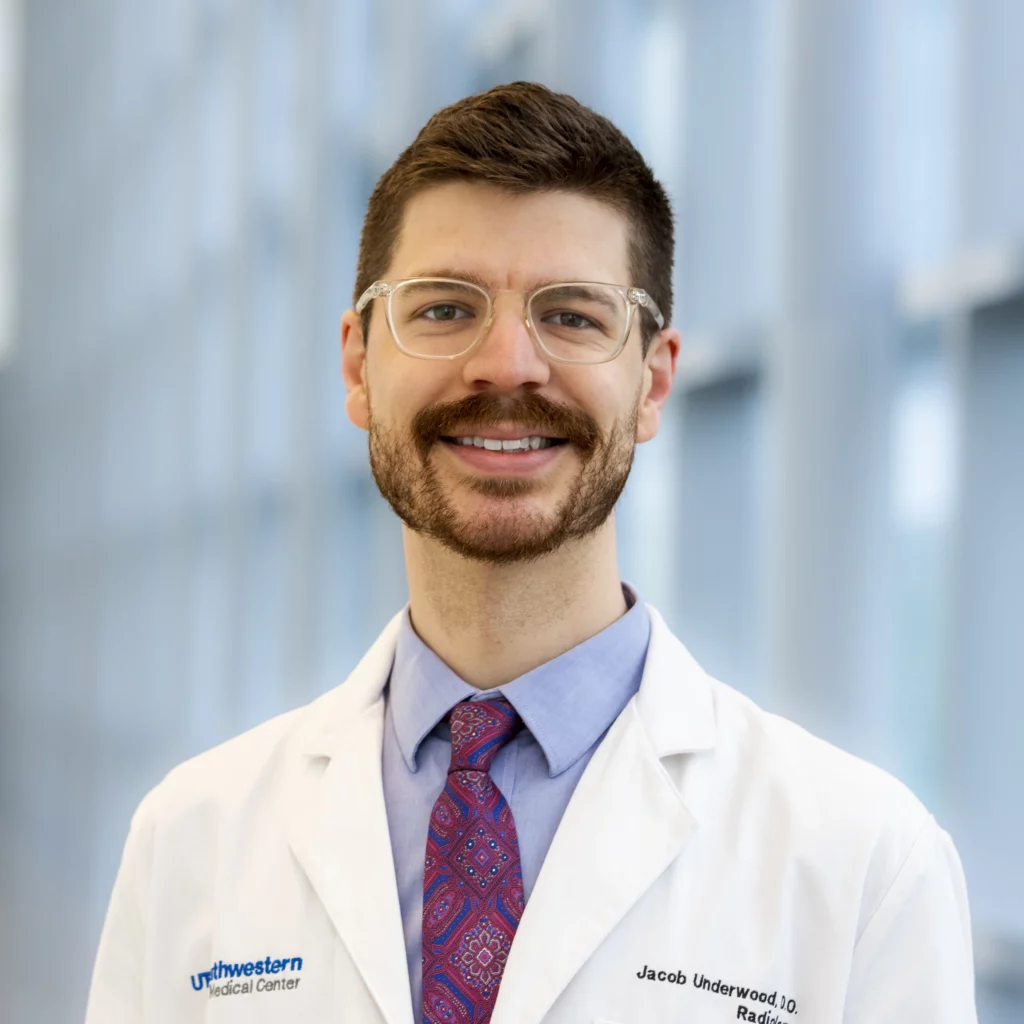
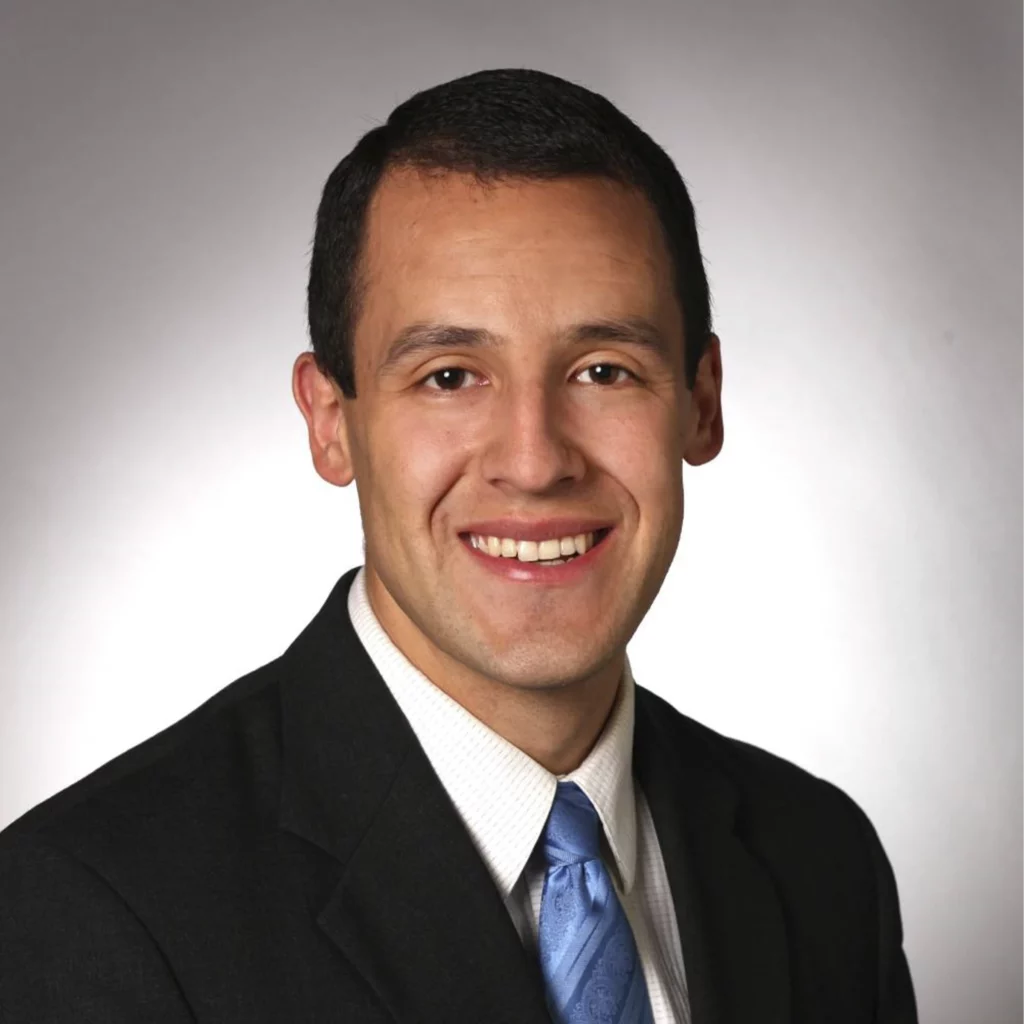
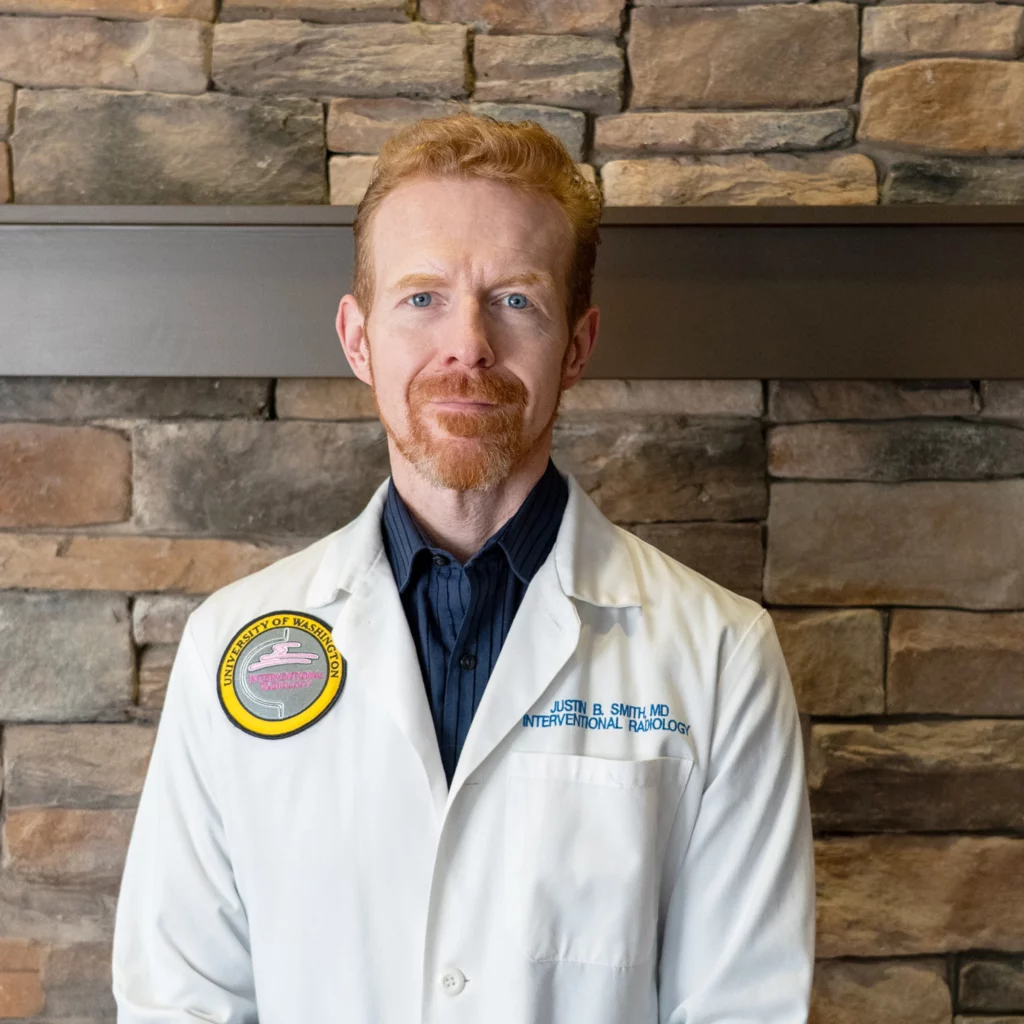
At the heart of Peak IR is a team of physicians who combine national expertise with a local commitment to care.

Take the First Step Toward Healthier Legs
At Peak IR, we combine expertise, technology, and compassionate care to help patients find lasting relief from venous insufficiency and varicose veins. Our minimally invasive treatments restore comfort, confidence, and quality of life.